Dabwali Road, Bathinda-151001, Punjab, India
Academic Background & Research Profile
I am currently serving as an Associate Professor and Head of the Department of Computational Sciences at Maharaja Ranjit Singh Punjab Technical University (MRSPTU), Bathinda, India. I hold an M.E. (Computer Science and Engineering) and a Ph.D. in Computer Science from Thapar Institute of Engineering and Technology (formerly Thapar University), Patiala. My doctoral research focused on offline handwritten Gurmukhi script recognition.
With over 16 years of experience in teaching, research, doctoral supervision, and academic administration, I have made sustained contributions to the fields of document analysis, handwriting recognition, and applied machine learning, with a strong emphasis on the development of practical, scalable, and impactful intelligent systems.
Key Research Contributions
Research Expertise in Document Analysis, Biometrics, and Computer Vision
Dr. Munish Jindal’s research in historical document and newspaper optical character recognition (OCR) focuses on the development of robust OCR frameworks for degraded historical newspapers and documents, particularly for Gurmukhi and other low-resource scripts.
This work aims to create accurate, searchable, and machine-readable digital archives, supporting the preservation and accessibility of cultural and historical records.
In parallel, his research in handwriting recognition and biometrics addresses offline handwritten character and word recognition, writer identification, and gender classification, using advanced machine learning and deep learning techniques.
His work in computer vision and human-centric analytics includes face recognition, facial emotion recognition, gait analysis, and human activity recognition, supporting applications in forensic analysis, surveillance, and affective computing.
Publications & Research Impact
Dr. Munish Jindal has authored six scholarly books, secured five patents, and published over 150 research articles in reputed international journals and conference proceedings.
His research has received more than 10,000 citations, with an h-index of 50 on Google Scholar, reflecting strong academic impact and global recognition.
His work regularly appears in high-impact journals and prestigious international conferences published by IEEE, ACM, and Springer.
He has successfully supervised 10 Ph.D. scholars and is currently mentoring five doctoral researchers.
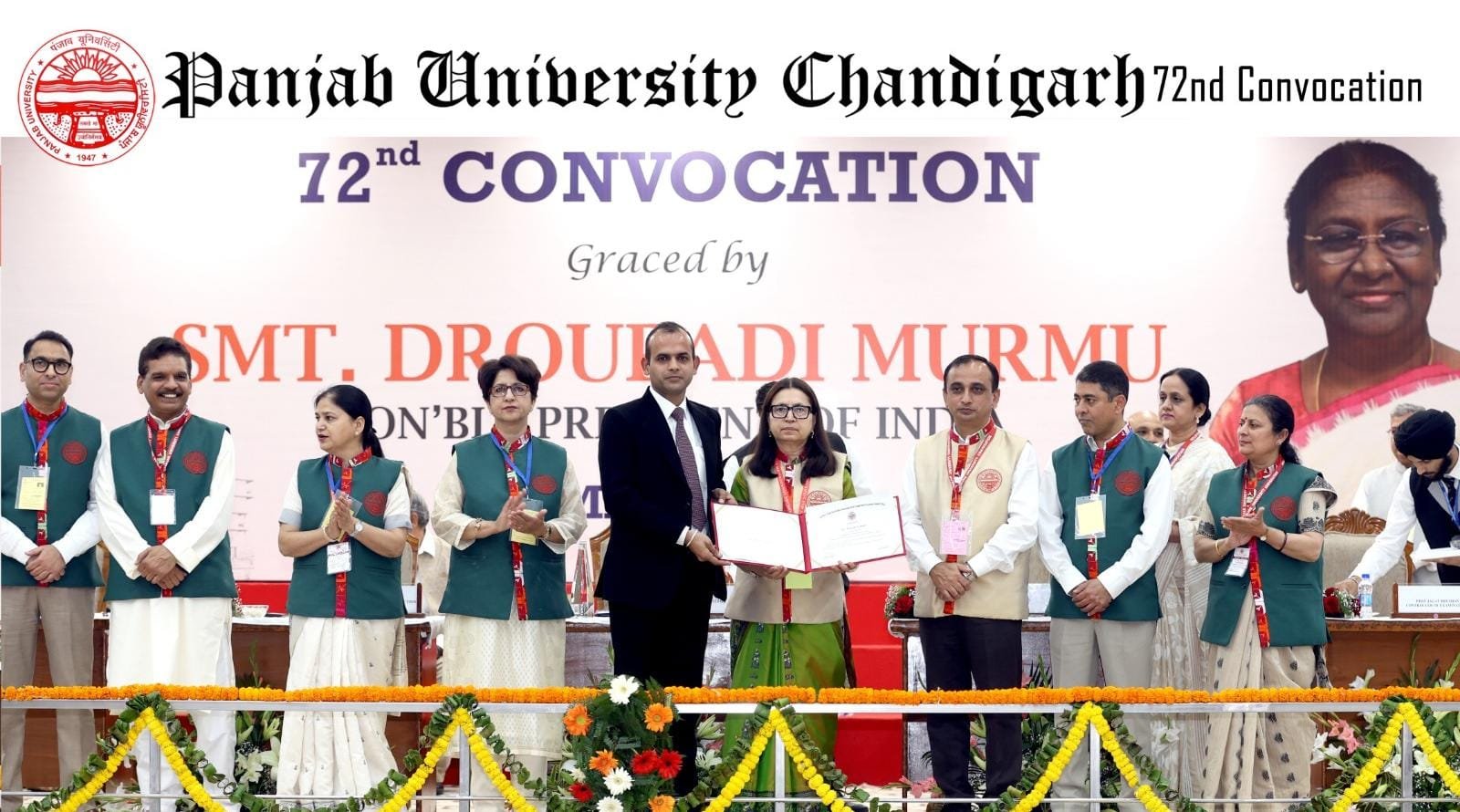
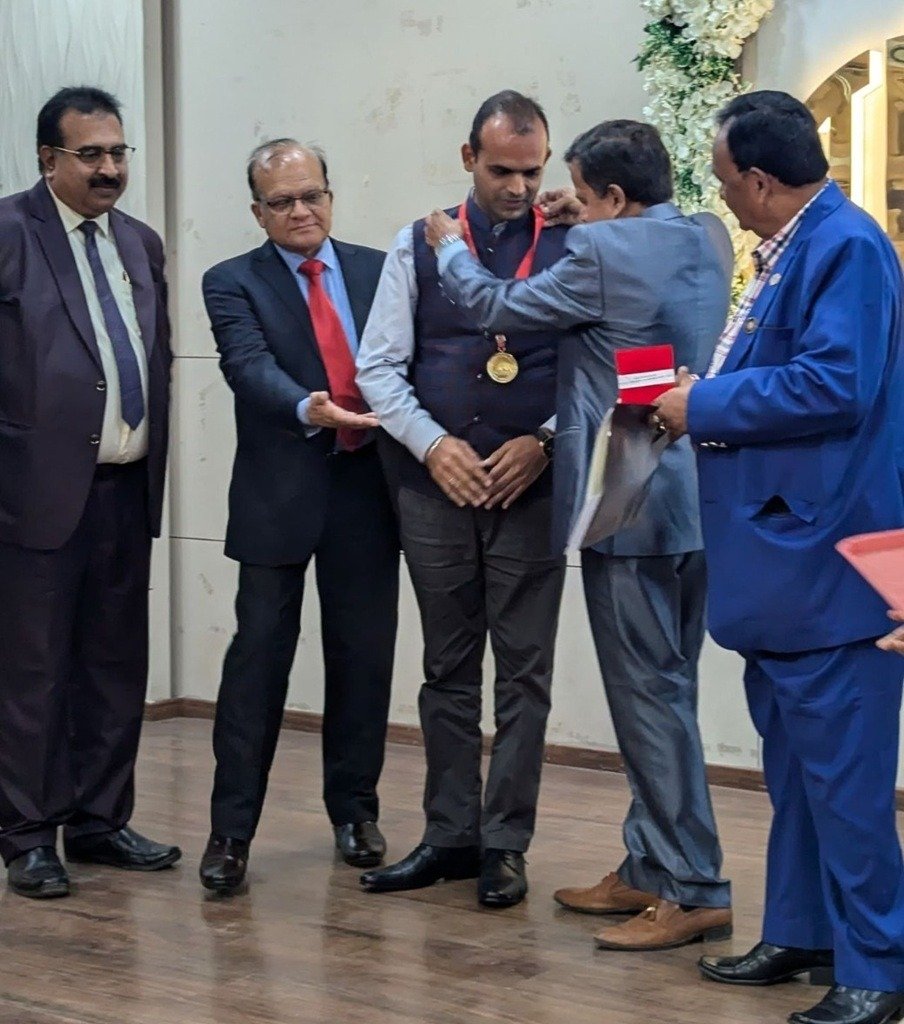
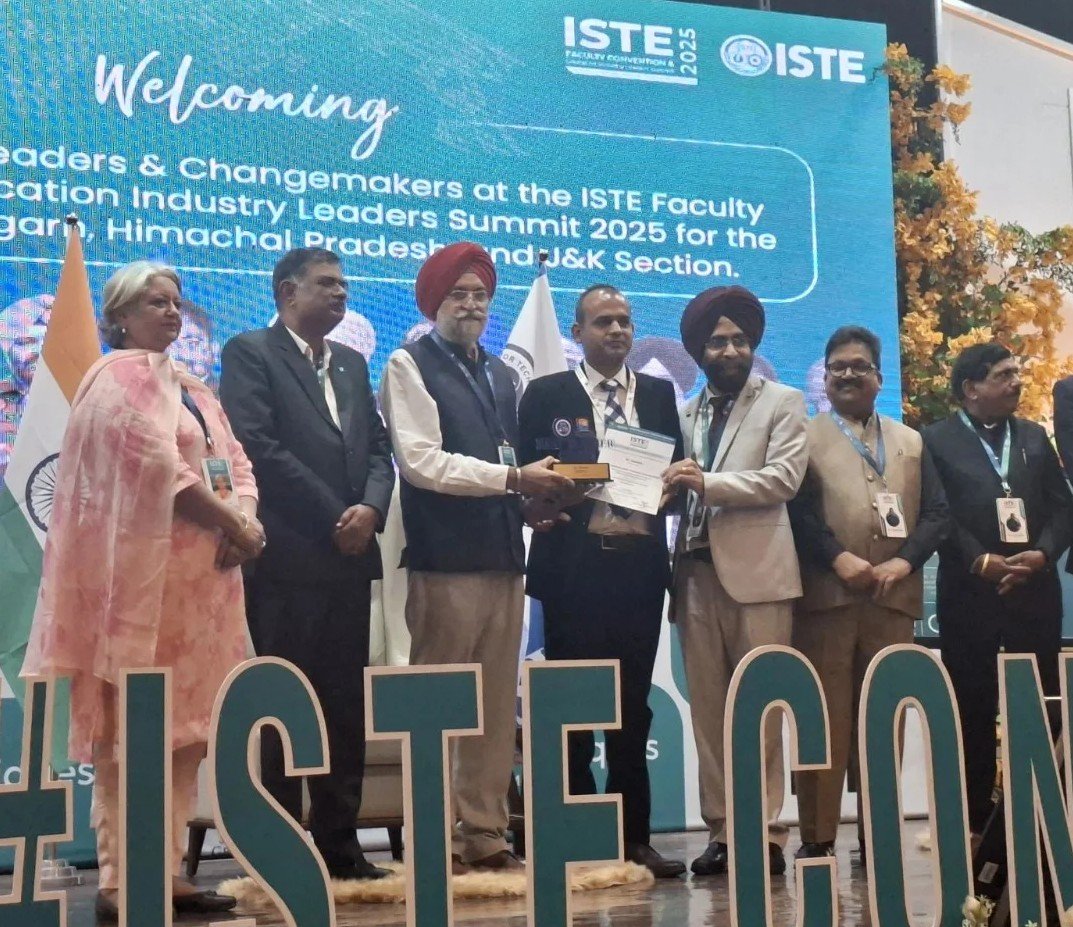
His contributions have been recognized through awards including the Panjab University Shiv Nath Rai Memorial Mid-Career Best Scientist Award (2023), IETE–Biman Bihari Sen Memorial Award (2024), and ISTE Best Teacher Award (2025).
Award Ceremonies & Recognition